Tornado UK: Your Easy Guide to Britain’s Surprising Twisters
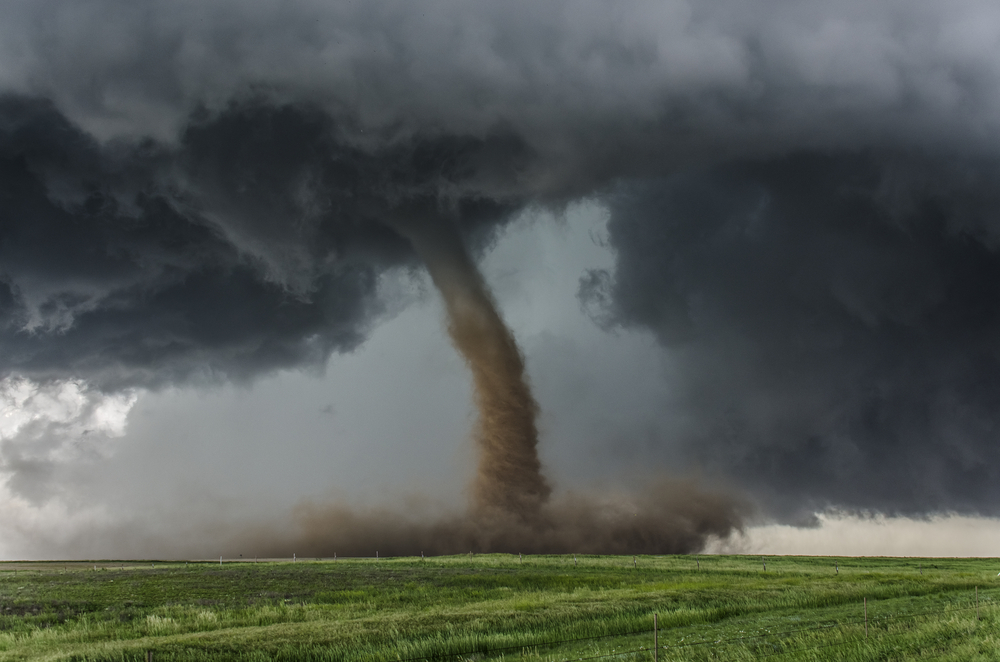
When you hear the word “tornado,” you might think of big movies or flat lands in America. However, a tornado UK is a real thing that happens much more often than you might guess! A tornado is simply a tube of spinning air that touches the ground and a cloud at the same time. In Britain, these “twisters” are usually much smaller and weaker than the ones in the US. They often look like a thin rope hanging from the sky. While they don’t usually knock down whole houses, they can still blow off roof tiles or knock over garden fences.
England actually has more tornadoes for its size than any other country in the world! Every year, we get about 30 to 35 of them. Most people never see one because they only last for a minute or two. They usually happen when warm air from the south meets cold air from the north. This mix makes the air start to spin. Because our weather changes so fast, a tornado UK can pop up when you least expect it, even if it’s just a “mini” version of the ones in the movies.
Table of Contents
Important Quick Facts About British Tornadoes
| Topic | Details |
| Average Per Year | 30 to 35 tornadoes |
| Last Big Event | December 2025 (Seaford, East Sussex) |
| Most Famous City | Manchester (The Stalybridge Tornado) |
| Most Active Area | South-central England (near London) |
| Strongest Ever | T6 (Jersey, November 2023) |
| Common Scale | TORRO Scale (T0 to T10) |
How Many Tornado Planes Does the UK Have?
You might be looking for information about the “Tornado” aircraft. If you are asking how many tornado planes does the uk have, the answer is actually zero in active service. The Royal Air Force (RAF) used a very famous jet called the Panavia Tornado for many years. It was a fast plane with wings that could move back and forth. However, the RAF retired all of their Tornado jets in March 2019. They were replaced by newer, faster planes called the Typhoon and the F-35 Lightning.
Even though the RAF doesn’t fly them anymore, you can still see them! Some are kept in museums like the RAF Museum in London or Cosford. If you see a jet in the sky today, it is almost certainly not a Tornado. People still ask how many tornado planes does the uk have because they were such a big part of our history. Today, the UK focuses on newer technology, but the “Tonka” (as pilots called it) will always be a legend in the British skies.
When Was the Last Tornado in the UK?
If you are wondering when was the last tornado in the uk, the most recent confirmed one happened on December 6, 2025. This tornado hit Seaford in East Sussex. It was rated as a T3 on the TORRO scale, which means it was strong enough to break windows and snap thick tree branches. Before that, there were several others in 2025, including a T2 tornado in Norfolk in October and one in Hampshire in November.
We track these events very closely. Most of the time, the “last” one was only a few months ago! Because the UK is a small island, our weather is very “bumpy.” This means the air is always moving around, which is perfect for making small twisters. While you might not hear about them on the news every day, researchers at the Tornado and Storm Research Organisation (TORRO) keep a very busy list. They help us understand when was the last tornado in the uk so we can be ready for the next one.
The Famous Manchester Tornado UK
The manchester tornado uk is one of the most talked-about weather events in recent years. In late December 2023, a very strong tornado hit the Stalybridge and Dukinfield areas. It happened late at night during a big storm called Storm Gerrit. This wasn’t just a small puff of wind; it damaged about 100 houses! Roofs were ripped off, and chimneys fell down. It was a very scary night for the people living there, but thankfully, no one was badly hurt.
The manchester tornado uk showed us that British tornadoes can be serious. Experts believe it was a T5 tornado, which is quite high for the UK. It was caused by a “supercell” thunderstorm, which is a special kind of storm that spins. This event reminded everyone that even if we don’t live in America’s “Tornado Alley,” we should still pay attention to weather warnings. Manchester and the surrounding areas are actually in a part of the UK that gets more tornadoes than most other places!
Is There a Tornado UK Tracker?
Many people want to know if there is a tornado uk tracker they can use. Unlike the US, we don’t have a “Tornado Warning” siren that goes off in our towns. However, you can use apps like the Met Office app or websites like Windy.com to see where big storms are moving. These act as a tornado uk tracker by showing you “radar” images. If you see a bright red or purple spot on the map moving quickly, it means there is a very strong storm that could potentially start a tornado.
Another great way to track them is by following TORRO on social media. They are a group of experts who watch the clouds all day and night. They often post “Tornado Watches,” which tell you if the weather looks right for a twister to form in your area. Using a tornado uk tracker is a fun way to learn about the weather, but remember to always stay safe inside if a big storm is passing over your house!
What is a Fire Tornado UK?
The term fire tornado uk sounds like something out of a scary movie! It isn’t actually a real tornado made of wind. Instead, it is a “fire whirl.” This happens when there is a big fire, like a wildfire or a straw bale fire, and the heat makes the air rise very fast. As the hot air rushes up, it starts to spin, pulling the flames up into a tall, twisting column. A fire tornado uk can happen during very hot summers when the grass is dry and fires start easily.
One of the most famous times people saw a fire tornado uk was in 2018 at a plastic factory fire in Derbyshire. The flames spun high into the air, and it looked very dramatic. While they look cool from a distance, they are very dangerous for firefighters because they can throw burning wood and embers in different directions. They usually don’t last long, but they are a reminder of how powerful heat and air can be when they work together!
Where is the UK’s Tornado Alley?
Believe it or not, the UK has its own version of “Tornado Alley.” Research shows that the area between London and Reading, and up towards Birmingham, gets the most activity. This is because the land is relatively flat, and the wind can pick up speed. When the wind coming off the sea hits the warm land, it creates the perfect recipe for a tornado uk. If you live in the south or the midlands, you are technically in the most likely spot to see a twister!
Even though these areas are “hotspots,” a tornado can happen anywhere in the British Isles. We have seen them in the mountains of Scotland and on the coast of Wales. However, the “alley” in the south-east is where the air is usually the most unstable. Most of these tornadoes are so small that they don’t even have a name. They might just swirl some leaves around in a park for ten seconds and then vanish into thin air.
How Do We Measure Tornado Strength?
In the UK, we use the TORRO Scale to measure how strong a tornado is. It goes from T0 (very weak) all the way to T10 (incredibly strong). Most of the time, a tornado uk is a T0 or a T1. This means the wind is around 40 to 70 miles per hour. That is about the same speed as a car driving on the motorway! At this strength, the tornado might break some small branches or move a heavy bin, but it won’t hurt your house.
A T5 tornado, like the one in the manchester tornado uk event, has winds of over 130 miles per hour. That is much more serious! It can lift cars and tear the roofs off buildings. Thankfully, T5 tornadoes only happen once every few years in Britain. Scientists look at the damage left behind to figure out the “T-rating.” If the grass is just flattened, it’s a low number. If a brick wall is knocked over, it’s a much higher number.
Safety Tips for a Tornado UK
Even though British tornadoes are usually small, you should still know what to do. If you see a funnel cloud (a cloud shaped like a cone) coming towards you, the best thing to do is go inside. Stay away from windows because the wind could blow something through the glass. A small room in the middle of the house, like a hallway or a cupboard under the stairs, is the safest place to be.
If you are outside and can’t get to a building, try to find a low spot like a ditch. Lie down flat and cover your head with your hands. Don’t stay near trees, as they might fall over. Most tornado uk events are over very quickly, so you usually only have to stay hidden for a few minutes. Once the wind dies down and the sky gets lighter, it is safe to come out and check for any damage.Why the UK is a “Tornado Hotspot”
It seems strange that a rainy island like ours is a “hotspot” for tornadoes. The reason is our unique position on the planet. We are right where the cold air from the Arctic meets the warm air from the Tropics. This creates a lot of energy in the sky. Because we are a small island, the moisture from the sea is always nearby. This moisture helps clouds grow tall and strong.
Think of it like mixing hot and cold water in a bath—it creates a lot of bubbles and movement! That is exactly what happens in our atmosphere. While we don’t get the giant “wedge” tornadoes that flatten towns in the US, our constant weather changes mean we have many small “spins” happening all the time. This makes the tornado uk a very interesting topic for scientists who want to understand how our climate is changing.
Conclusion: Living with British Twisters
The tornado uk might not be as famous as its American cousins, but it is a fascinating part of our natural world. From the powerful manchester tornado uk to the rare sight of a fire tornado uk, these events remind us that nature is full of surprises. Whether you are checking a tornado uk tracker or just wondering when was the last tornado in the uk, it’s clear that our weather is more exciting than just “grey and rainy.”
Next time you see a big storm rolling in, keep an eye on the clouds! You might just spot a funnel cloud trying to reach the ground. As long as you stay safe and stay informed, watching the British weather can be a great adventure. Remember, while the RAF doesn’t have any more Tornado planes, the real ones are still visiting our shores every single year!